
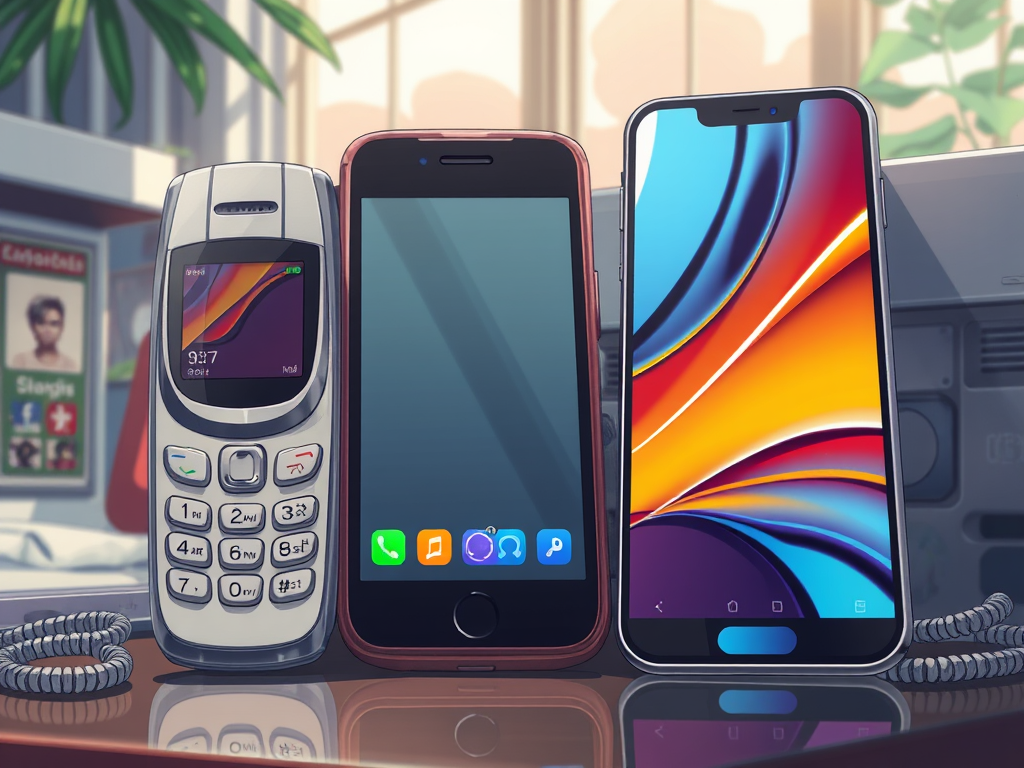
Old School Phones vs. Smartphones in 2026
Introduction
The mobile phone landscape in 2026 is more diverse and dynamic than ever before. While smartphones have become nearly ubiquitous, powering the daily lives of billions with their advanced features and connectivity, a notable resurgence of old school Phones phones both in their classic and modernized forms has captured the attention of consumers seeking simplicity, durability, and digital well-being.
This comprehensive report delves into the nuanced comparison between flip phones and smartphones, exploring their respective advantages and disadvantages across a wide spectrum of factors: design, usability, durability, battery life, features, cost, target audiences, market trends, privacy, repairability, environmental impact, and more. Drawing on the latest data, expert reviews, and real-world user experiences, this analysis aims to provide a thorough understanding of where each device type excels, where it falls short, and how current trends are shaping the future of mobile technology.
Old School Phones and Smartphones in 2026
The term “old school phones” now encompasses both traditional flip phones with physical keypads and modern foldable smartphones that combine the nostalgic clamshell design with advanced touchscreens and smart capabilities. Classic flip phones, such as the Nokia 2780 Flip or Alcatel GO FLIP 4, focus on core communication, simplicity, and durability, often with limited app support and long battery life. In contrast, modern flip phones like the Samsung Galaxy Z Flip 7 and Motorola Razr Ultra are sophisticated foldables that offer large, immersive displays in a compact form factor, integrating flagship-level hardware and software.
Smartphones, meanwhile, remain the dominant force in the market, with over 5.1 billion users globally and 91% penetration in the United States. These devices serve as all-in-one tools for communication, productivity, entertainment, and more, powered by robust operating systems (Android, iOS), high-resolution displays, advanced cameras, and a vast ecosystem of apps.
The resurgence of flip phones is not merely a nostalgic trend but a response to growing concerns over digital overload, privacy, and the desire for intentional technology use. As we explore each aspect of these device categories, it becomes clear that the choice between a flip phone and a smartphone is deeply personal, shaped by lifestyle, priorities, and evolving societal values.
Design and Form Factor
Flip Phones
Flip phones are defined by their clamshell design, which allows the device to fold in half, protecting the internal screen and keypad when closed. This compactness makes them highly portable and less prone to accidental screen damage. Classic flip phones feature tactile physical keypads often T9 or, less commonly, QWERTY layouts offering satisfying feedback and ease of use for calls and texts. Modern foldable flip phones, such as the Galaxy Z Flip 7 and Motorola Razr Ultra, incorporate flexible AMOLED displays that unfold to reveal a large, high-resolution touchscreen, while still maintaining a pocket friendly profile when closed.
Recent advancements have led to thinner, lighter, and more robust foldables. For example, the Galaxy Z Flip 7 is just 13.7mm thick when closed and 6.5mm when open, with a premium Armor Aluminum frame and Gorilla Glass Victus 2 for enhanced durability. The hinge mechanisms have also improved, offering smoother operation and greater longevity.
Smartphones
Traditional smartphones, often referred to as “slab phones,” are characterized by their monolithic, rectangular form factor with large, edge-to-edge touchscreens. This design maximizes display real estate for media consumption, multitasking, and productivity. Materials such as glass and aluminum dominate, lending a premium feel but also increasing susceptibility to drops and scratches.
While smartphones offer a sleek, modern aesthetic, their size can be unwieldy for some users, and the exposed screen is vulnerable to damage without a protective case.
Analysis
The flip phone’s design prioritizes portability, screen protection, and tactile interaction, making it ideal for users who value compactness and physical feedback. Modern foldables bridge the gap, offering the immersive experience of a large display with the convenience of a small footprint. Smartphones, on the other hand, excel in providing uninterrupted access to a large, high-quality screen but at the cost of increased fragility and bulk.
Usability and User Experience
Flip Phones
Classic flip phones are lauded for their straightforward user interfaces, physical buttons, and minimal distractions. They are particularly well-suited for seniors, children, and those seeking a digital detox, as the limited functionality reduces the temptation for endless scrolling and app usage.
The tactile feedback of T9 or QWERTY keypads enables accurate, “no-look” dialing and texting, which can be advantageous for users with visual impairments or limited dexterity.
Devices like the Galaxy Z Flip 7 and Razr Ultra offer a hybrid experience. When closed, the external display allows for quick interactions checking notifications, replying to messages, or taking selfies without opening the phone. When unfolded, users enjoy a full-featured smartphone interface with access to all apps and services.
Flip phones often include features such as large buttons, high-contrast displays, and loud speakers, making them accessible to users with varying needs.
Smartphones
Smartphones provide a highly customizable experience, with access to millions of apps, advanced settings, and regular software updates. Touchscreen interfaces support gestures, voice commands, and accessibility features such as screen readers and magnifiers, catering to a wide range of users.
The breadth of features and options can be overwhelming for less tech-savvy individuals, and the constant influx of notifications and updates may contribute to digital fatigue.
Smartphones excel in multitasking, allowing users to switch between apps, split screens, and perform complex tasks such as video editing, document creation, and virtual meetings.
Analysis
Flip phones offer a focused, distraction-free experience that appeals to those prioritizing communication and digital well-being. Modern foldables enhance usability by combining the best of both world, simplicity when closed, versatility when open. Smartphones remain unmatched in terms of functionality and customization but may require greater digital discipline to avoid overload.
Durability and Build Quality
Flip Phones
Traditional flip phones are renowned for their ruggedness. The clamshell design protects the screen and keypad from scratches and impacts, and the use of robust plastics or metals further enhances durability. Many models can withstand drops, spills, and rough handling, making them ideal for outdoor workers, travelers, or anyone prone to accidents.
Early foldable phones faced criticism for fragile screens and unreliable hinges. However, recent iterations like the Galaxy Z Flip 7 and Razr Ultra have made significant strides. These devices now feature reinforced hinges (tested for up to 300,000 folds), ultra-thin glass with protective coatings, and improved water resistance (IP48 or IPX8 ratings). While not as indestructible as classic flip phones, they are far more robust than their predecessors.
Despite improvements, foldable screens remain more susceptible to scratches and pressure damage than traditional glass. Dust ingress can still pose a risk, particularly to the hinge mechanism, though manufacturers have added protective measures.
Smartphones
Smartphones, with their large, exposed glass screens, are inherently more fragile. While advancements like Gorilla Glass Victus and aluminum frames offer some protection, drops and impacts can easily result in cracked screens or damaged internals. Water and dust resistance (IP67, IP68) is common in flagship models, but repair costs for screen or back glass damage remain high.
Analysis
Classic flip phones are the clear winners in terms of durability, withstanding daily wear and tear with minimal risk. Modern foldables have closed much of the gap, offering impressive resilience for their form factor, though they still require more careful handling than classic models. Smartphones, while sturdy in their own right, are more vulnerable to accidental damage and often necessitate protective cases.
Battery Life and Power Efficiency
Flip Phones
One of the standout advantages of flip phones is their exceptional battery life. With minimal background processes, small screens, and limited connectivity, many models can last several days or even up to two weeks on a single charge. This reliability is invaluable for users who travel, work in remote areas, or simply prefer not to charge their device daily.
Foldable smartphones, despite their advanced features, have made strides in battery optimization. The Galaxy Z Flip 7, for example, houses a 4,300mAh battery, delivering over 12 hours of active use an improvement over previous generations but still short of classic flip phone endurance. The Motorola Razr Ultra boasts a 4,700mAh battery, achieving even longer usage times (up to 15 hours in tests).
Smartphones
Smartphones, with their large, high-resolution displays and power-hungry processors, typically require daily charging. Flagship models may last a full day under moderate use, but heavy users those streaming video, gaming, or using GPS may need to recharge before day’s end. Fast charging and wireless charging technologies have mitigated some inconvenience, but battery degradation over time remains a concern.
Analysis
Classic flip phones are unmatched in battery longevity, making them ideal for users who prioritize reliability and minimal charging. Modern foldables offer competitive battery life for their feature set, while smartphones, though improving, still lag behind in endurance due to their demanding hardware and software.
Features and Functionality
Flip Phones
Classic flip phones focus on essential communication—calls, texts, and sometimes basic web browsing or email. Many include FM radios, simple cameras, alarms, and calculators. Some models, like the Nokia 2780 Flip, offer 4G LTE connectivity, Wi-Fi, and limited app support via platforms like KaiOS (enabling WhatsApp, Google Maps, and YouTube).
Hybrid models bridge the gap by incorporating touchscreens, voice assistants, and curated app stores, providing a taste of modern functionality without the complexity of a full smartphone.
The app ecosystem is limited, and advanced features such as high-quality cameras, navigation, and productivity tools are generally absent.
Modern Foldable Flip Phones
These devices offer nearly all the features of flagship smartphones: high-resolution foldable displays, advanced cameras, 5G connectivity, AI-powered software, multitasking, and access to the full suite of Android apps. The main distinction is the form factor and the ability to use the device in both compact and expanded modes.
Smartphones
Smartphones are the Swiss Army knives of the digital age. They support a vast array of functions: communication, productivity, entertainment, navigation, health tracking, smart home control, and more. App stores (Google Play, Apple App Store) offer millions of applications for every conceivable need. Advanced features include biometric security, high-refresh-rate displays, professional-grade cameras, and AI-driven assistants.
Comparative Analysis
Classic flip phones excel in delivering a focused, distraction-free experience but are limited in versatility. Modern foldables and smartphones provide comprehensive functionality, with the former offering unique use cases enabled by their folding design (e.g., hands-free video calls, compact portability).
Performance and Software Support
Flip Phones
Classic flip phones are optimized for basic tasks, with modest processors and limited RAM. They are generally fast and responsive for calls and texts but may struggle with web browsing or multimedia.
Updates are rare, and customization options are minimal. Security patches may be infrequent, though the limited attack surface reduces vulnerability.
Hybrid models running KaiOS or similar platforms receive occasional updates and support a small selection of curated apps.
Modern Foldables
Foldable smartphones feature flagship-level hardware: high-end processors (e.g., Snapdragon 8 Elite, Exynos 2500), ample RAM (12–16GB), and large storage capacities (up to 1TB). Software support is robust, with manufacturers like Samsung and Google promising up to seven years of updates, including security patches and new features. However, hardware limitations (battery degradation, aging components) may outpace software longevity.
Smartphones
Smartphones benefit from regular updates, extensive customization, and a thriving developer ecosystem. Leading brands now offer extended support windows (up to seven years), though real-world usability may decline as hardware ages and software demands increase.
Analysis
Classic flip phones are reliable for their intended use but lack the performance and support of modern devices. Foldables and smartphones offer cutting-edge performance and long-term software support, though actual device longevity may be constrained by hardware wear and evolving software requirements.
Camera and Multimedia Capabilities
Flip Phones
Cameras on traditional flip phones are basic, typically ranging from VGA to 5MP sensors. They suffice for casual snapshots but fall short in image quality, low-light performance, and video recording.
Some hybrid models offer slightly improved cameras and support for basic photo sharing, but they remain limited compared to smartphones.
Modern Foldables
Foldable flip phones have made significant strides in camera technology. The Galaxy Z Flip 7 features a 50MP main sensor, 12MP ultrawide, and 10MP front camera, delivering impressive results for both photos and videos. The Motorola Razr Ultra boasts dual 50MP rear cameras and a 32MP front camera, with advanced AI features for enhanced photography. These devices support 4K video recording, portrait modes, and creative shooting angles enabled by the folding design.
CoReviews consistently show that while foldable flip phones have closed much of the gap with flagship slab smartphones, they may still lag slightly in low-light performance, zoom capabilities, and overall image processing. However, the ability to use the main camera for selfies (via the external display) is a unique advantage.
Smartphones
Flagship smartphones set the standard for mobile photography, with multi-lens setups, large sensors, advanced computational photography, and professional-grade video features. Devices like the iPhone 17 Pro, Samsung Galaxy S25 Ultra, and Google Pixel 10 Pro offer exceptional image quality, versatility, and creative tools.
Analysis
Classic flip phones are not suitable for users who prioritize photography or multimedia. Modern foldables offer competitive camera systems, especially for casual and social media use, while flagship smartphones remain the gold standard for serious photographers and videographers.
Cost and Affordability
Flip Phones
Flip phones are among the most affordable mobile devices, with prices ranging from $50 to $150 for new models. They are accessible to budget-conscious consumers, those seeking a secondary device, or users uninterested in premium features.
Hybrid models with limited smart features may cost slightly more but remain within reach for most buyers.
Modern Foldables
Foldable flip phones occupy the premium segment, with prices typically between $1,000 and $1,300 for flagship models like the Galaxy Z Flip 7 and Razr Ultra. Midrange options, such as the Motorola Razr Plus, are available around $750–$900, offering a balance of features and affordability.
Smartphones
Smartphones span a wide price range, from budget devices under $200 to ultra-premium flagships exceeding $1,200. The diversity of options allows consumers to select a device that matches their needs and budget.
Ongoing Costs
Flip phones generally require only basic voice and text plans, which are less expensive than the data-intensive plans needed for smartphones. Repair and accessory costs are also lower for flip phones, while smartphones and foldables may incur higher expenses for repairs, cases, and peripherals.
Analysis
Classic flip phones are the clear winners in affordability, both in upfront and ongoing costs. Modern foldables and smartphones cater to users willing to invest in advanced features and premium experiences.
Target Audiences and Use Cases
Flip Phones
- Seniors: Large buttons, simple menus, and loud speakers make flip phones ideal for older adults seeking ease of use and reliability.
- Children/Teens: Parents often choose flip phones as a first device for children, providing communication without the risks of unrestricted internet access or social media.
- Digital Minimalists: Individuals seeking to reduce screen time, avoid distractions, or reclaim privacy are increasingly turning to flip phones for a more intentional tech experience.
- Field Workers/Outdoor Enthusiasts: The durability and long battery life of flip phones make them suitable for demanding environments.
- Backup/Emergency Phones: Flip phones serve as reliable secondary devices for travel, emergencies, or situations where a smartphone may be impractical.
Modern Foldables
- Tech Enthusiasts: Early adopters and those seeking the latest innovations are drawn to foldable flip phones for their unique form factor and advanced features.
- Content Creators: The flexible design and camera capabilities appeal to vloggers, influencers, and social media users.
- Professionals: Foldables offer productivity features in a compact package, appealing to business users who value both style and substance.
Smartphones
- General Population: Smartphones cater to the broadest audience, from students and professionals to creatives and gamers.
- Power Users: Those requiring advanced productivity, multimedia, and connectivity features rely on smartphones as their primary device.
Analysis
Flip phones excel in niche use cases where simplicity, durability, or digital well-being are paramount. Modern foldables and smartphones serve users seeking versatility, performance, and cutting-edge technology.
Market Trends and Adoption Rates
Smartphones
Smartphones remain the dominant mobile device globally, with over 5.1 billion users and 91% penetration in the U.S.. Android leads the global market with a 71.8% share, while iOS dominates in the U.S. at 61.3%. The average American spends over 4 hours daily on their smartphone, with younger demographics exhibiting even higher usage rates.
Flip Phones
While flip phones represent a small fraction of the overall market, their resurgence is notable. Driven by digital detox trends, privacy concerns, and a desire for simplicity, sales of both classic and modern flip phones have increased in recent years. Gen Z and Millennials are among the fastest-growing segments adopting “dumb phones” for intentional tech use.
Foldable Phones
The foldable phone segment, including both book-style and clamshell (flip) designs, is experiencing rapid growth. IDC forecasts a 30% year-on-year increase in global foldable shipments for 2026, fueled by innovations from Samsung, Motorola, Huawei, and the anticipated entry of Apple into the foldable market. Flip-style foldables are particularly popular due to their lower price points and nostalgic appeal.
Analysis
Smartphones maintain overwhelming market dominance, but flip phones and foldables are carving out meaningful niches, driven by shifting consumer values and technological advancements.
Privacy, Security, and Digital Well-being
Flip Phones
Flip phones offer inherent privacy advantages due to their limited connectivity, absence of app stores, and minimal data collection. Without location tracking, background app refresh, or persistent internet connections, the risk of data breaches and third-party tracking is significantly reduced.
The lack of advanced operating systems and app downloads makes flip phones less susceptible to malware, phishing, and cyberattacks. Security risks are minimal, though SMS-based phishing (“smishing”) remains a concern.
Flip phones support digital detox by eliminating distractions, reducing screen time, and fostering more intentional technology use. This can lead to improved mental health, better sleep, and increased real-world engagement.
Smartphones
Privacy: Smartphones collect and store vast amounts of personal data, including location, browsing history, and app usage. While privacy settings and security tools exist, maintaining control over personal information requires constant vigilance.
Security: Smartphones are frequent targets for hackers, with risks including malware, phishing, and vulnerabilities in apps or operating systems. Regular updates and security patches are essential but not foolproof.
Digital Well-being: The constant stream of notifications, social media, and entertainment can contribute to digital fatigue, anxiety, and reduced productivity. Tools such as screen time trackers and focus modes help, but the temptation for overuse remains high.
Analysis
Flip phones are the clear choice for users prioritizing privacy, security, and digital well-being. Smartphones offer greater functionality but require proactive management to mitigate risks and maintain balance.
Network Compatibility and Carrier Support
Flip Phones
Modern flip phones support 4G LTE and VoLTE, ensuring compatibility with current carrier networks following the shutdown of 2G and 3G services in the U.S.. Models like the Nokia 2780 Flip and Alcatel GO FLIP 4 are compatible with major carriers (AT&T, Verizon, T-Mobile), though users should verify band support and certification before purchase.
Older flip phones may not function on modern networks, and international compatibility varies by region and frequency bands.
Smartphones
Smartphones universally support 4G LTE and, increasingly, 5G networks. Carrier compatibility is broad, with unlocked models available for use on multiple networks. Advanced features such as Wi-Fi calling, eSIM support, and global roaming are standard in most smartphones.
Analysis
Both modern flip phones and smartphones offer robust network compatibility, though users should confirm specific model support for their carrier and region.
Repairability and Longevity
Flip Phones
Flip phones are generally easier and less expensive to repair, with replaceable batteries and modular components. Their simple construction and lack of glued components facilitate DIY repairs or affordable professional service.
Foldable smartphones are more complex, with intricate hinge mechanisms and delicate foldable displays. Repairs often require specialized tools and expertise, and replacement parts can be costly. While manufacturers have improved durability, repairability remains a challenge, and water/dust resistance is still evolving.
Smartphones
Smartphones vary in repairability. Some brands, like Fairphone and Google Pixel, prioritize modular design and provide parts and manuals for user repairs. Others, particularly flagship models, use adhesives and proprietary components that complicate repairs and increase costs.
Battery degradation is a common issue for all device types. Flip phones often allow easy battery replacement, extending device life. Smartphones and foldables may require professional service for battery swaps, and long-term usability may be limited by hardware aging despite extended software support.
Analysis
Flip phones offer superior repairability and longevity, while modern foldables and smartphones require more investment in maintenance and repairs. Device lifespan is influenced by build quality, software support, and user care.
Environmental Impact and Sustainability
Flip Phones
Flip phones, with their simpler construction, longer battery life, and extended usability, generate less electronic waste (e-waste) per device. Their durability and repairability further reduce the frequency of replacement, contributing to a smaller environmental footprint.
Smartphones
Smartphones have a significant environmental impact due to resource-intensive manufacturing, short average lifespans (2–3 years), and low recycling rates. Non-replaceable batteries, fragile designs, and planned obsolescence exacerbate the e-waste problem. While some manufacturers are adopting sustainable practices modular design, recycled materials, longer software support—the overall footprint remains substantial.
Modern Foldables
Foldable smartphones, with their complex construction and premium materials, may have a higher initial environmental cost. However, improvements in durability and longevity can mitigate some impact if users retain devices longer.
Analysis
Flip phones are generally more sustainable due to their longevity and lower resource demands. Smartphones and foldables must balance innovation with responsible design, repairability, and recycling to reduce their environmental impact.
Accessory Ecosystem and Integration
Flip Phones
Accessory options for flip phones are limited but focused on practicality: protective cases, belt clips, charging docks, and replacement batteries. Some models support Bluetooth headsets and microSD cards for expanded storage.
Smartphones
Smartphones benefit from a vast accessory ecosystem: cases, screen protectors, wireless chargers, smartwatches, earbuds, and more. Integration with smart home devices, wearables, and cloud services enhances functionality and convenience.
Modern Foldables
Foldable flip phones support many smartphone accessories, though specialized cases and screen protectors are required due to their unique form factor. Integration with smart ecosystems is comparable to standard smartphones.
Comparative Analysis
Smartphones and modern foldables offer greater accessory and integration options, supporting a connected lifestyle. Flip phones prioritize essential accessories for protection and usability.
Are Flip Phones Making a Comeback?
The resurgence of flip phones is more than a fleeting trend. It reflects a broader societal shift toward intentional technology use, digital well-being, and privacy. Gen Z and Millennials are leading the charge, embracing “dumb phones” as tools for mindfulness and focus. Schools, workplaces, and families are adopting flip phones to combat digital fatigue and foster healthier tech habits.
Modern foldable flip phones are driving innovation, blending nostalgia with cutting-edge features. The category is expected to grow rapidly, with new entrants (including a rumored Apple foldable) and continued advancements in durability, battery life, and software integration.
While smartphones will remain the primary device for most users, flip phones—both classic and modern are poised to play an increasingly important role in a diversified mobile landscape.
Key Players and Models to Consider
Classic and Smart Flip Phones
- Nokia 2780 Flip: Affordable, durable, with 4G LTE and basic app support.
- Alcatel GO FLIP 4: User-friendly, long battery life, KaiOS with limited apps.
- Lively Jitterbug Flip2: Designed for seniors, large buttons, emergency features.
Modern Foldable Flip Phones
- Samsung Galaxy Z Flip 7: Flagship performance, large AMOLED displays, advanced cameras, seven years of software updates, IP48 water resistance.
- Motorola Razr Ultra (2025): Premium build, dual 50MP cameras, large cover display, fast charging, stylish design.
- Motorola Razr Plus (2025): Midrange option with strong features at a lower price point.
- Google Pixel 10 Pro Fold: Robust durability, advanced AI features, long software support.
Flip Phones vs. Smartphones Comparison Table
| Feature/Aspect | Classic Flip Phone | Modern Foldable Flip Phone | Smartphone (Slab) |
|---|---|---|---|
| Design/Form Factor | Clamshell, compact, physical keys | Foldable touchscreen, compact/large | Rectangular slab, large screen |
| Usability | Simple, tactile, minimal apps | Hybrid: simple closed, smart open | Highly customizable, complex |
| Durability | Very high, rugged | Improved, robust hinge, water resist | Good, but glass prone to break |
| Battery Life | 3–14 days | 1–2 days (12–15 hours active use) | 1 day (8–12 hours active use) |
| Features | Calls, texts, basic apps | Full smartphone features | Full smartphone features |
| Performance | Basic, fast for core tasks | Flagship-level, fast | Flagship-level, fast |
| Camera | Basic (VGA–5MP) | Dual/triple lens, 50MP+, 4K video | Multi-lens, 50–200MP, 4K/8K |
| Cost | $50–$150 | $700–$1,300 | $100–$1,500+ |
| Target Audience | Seniors, kids, minimalists | Tech enthusiasts, creators, pros | General population |
| Privacy/Security | High, minimal data collection | Moderate, depends on usage | Lower, high data collection |
| Repairability | Easy, replaceable battery | Difficult, complex repairs | Varies, often difficult |
| Environmental Impact | Low, long lifespan | Moderate, improving | High, short lifespan |
| Accessory Ecosystem | Limited, practical | Moderate, specialized | Extensive, diverse |
| Network Support | 4G LTE, VoLTE | 4G/5G, VoLTE | 4G/5G, VoLTE |
| Software Support | Minimal, rare updates | 4–7 years (Samsung/Google) | 4–7 years (flagships) |
| Digital Well-being | Excellent, minimal distractions | Good, can be managed | Poor, high distraction risk |
Conclusion
The choice between a flip phone and a smartphone in 2026 is not merely a matter of technology—it is a reflection of personal values, lifestyle, and priorities. Flip phones both, classic and modern, offer unmatched simplicity, durability, privacy, and battery life, making them ideal for users seeking focus, reliability, and digital well-being. Modern foldable flip phones bridge the gap, delivering flagship performance and features in a compact, innovative form factor that appeals to both nostalgia and cutting-edge sensibilities.
Smartphones remain the most versatile and powerful option, catering to users who demand comprehensive functionality, customization, and integration with the broader digital ecosystem. However, they require greater vigilance in managing privacy, security, and digital balance.
As market trends evolve and consumer awareness grows, the resurgence of flip phones signals a broader movement toward intentional technology use and a more sustainable, human-centered digital future. Whether you choose the focused simplicity of a classic flip phone, the innovative versatility of a modern foldable, or the all-encompassing power of a smartphone, the key is to select the device that best aligns with your needs, values, and aspirations.
Flip phones and smartphones each have distinct strengths and trade-offs. The best choice depends on your priorities be it simplicity, durability, privacy, or advanced features. The ongoing innovation in both categories ensures that, regardless of your preference, there is a device tailored to you.
I personally love my TCL GO 5G Flip Phone. A great little phone has some smart phone feature
 Joshua T Craig
Leave a comment